
The future of autodialers in Los Angeles is shaped by stringent privacy laws like CPPA and TCPA, mandating explicit consent for automated calls to prevent intrusive marketing. An autodialer law firm Los Angeles offers guidance on navigating these regulations, including obtaining verifiable opt-in consent and enabling easy opt-out. Non-compliance incurs significant penalties up to $50,000 per violation. Businesses must implement robust consent management systems and strategic advice from the autodialer law firm Los Angeles for compliance, reputation protection, and customer trust while leveraging autodialers effectively. Proactive compliance strategies are vital for a competitive edge in the dynamic LA market.
In the dynamic legal landscape of Los Angeles, understanding the future of autodialers is more than a technological curiosity; it's a strategic necessity for every autodialer law firm operating within its boundaries. As communication methods evolve, so too do regulatory frameworks and consumer expectations. This article delves into the intricacies of emerging autodial technologies, explores their potential impact on legal practice in LA, and provides valuable insights to help firms stay ahead in this rapidly changing environment. By examining both challenges and opportunities, we aim to equip Los Angeles-based autodialer law firms with the knowledge they need to navigate these uncharted waters successfully.
Understanding Autodialer Regulations in Los Angeles

The future of autodialers in Los Angeles is tightly woven with a complex web of regulations designed to protect consumers from intrusive marketing practices. These rules, shaped by California's stringent privacy laws and enforced by an autodialer law firm Los Angeles, are crucial in navigating the digital age where unwanted calls can cause significant distress. The Consumer Privacy Protection Act (CPPA) stands as a beacon, mandating explicit consent for automated phone calls, with penalties for non-compliance reaching up to $50,000 per violation.
For businesses operating within Los Angeles' dynamic market, understanding these regulations is paramount. For instance, an autodialer used for marketing purposes must obtain verifiable consumer consent before making any automated calls. This means clear and concise opt-in mechanisms are essential. Furthermore, companies must provide a simple way for recipients to opt out of future calls—a practice known as "do not call" registries. Failure to adhere to these guidelines can lead to legal repercussions and damage a company's reputation.
An expert autodialer law firm Los Angeles offers valuable insights into navigating this landscape. They assist businesses in interpreting complex regulations, ensuring compliance through robust consent management systems, and providing strategic guidance on call marketing campaigns. By embracing these best practices, companies can maintain customer trust while leveraging the power of autodialers for effective outreach. Ultimately, staying informed about and adhering to Los Angeles' autodialer regulations is not just a legal necessity but a savvy business strategy.
Impact on Businesses: Legal Implications Explained

The future of autodialers in Los Angeles presents a complex interplay between technological advancement and legal considerations. As businesses increasingly turn to automated dialing systems to reach customers, an understanding of the legal implications is crucial. An autodialer law firm Los Angeles can offer invaluable guidance on navigating these complexities, ensuring compliance, and maximizing business opportunities.
One significant aspect to consider is the Telephone Consumer Protection Act (TCPA), a federal law designed to protect consumers from unwanted phone calls. The TCPA restricts the use of automatic dialing devices, requiring explicit consent for marketing calls. Non-compliance can lead to substantial fines and legal repercussions. For instance, in 2022, a Los Angeles-based business was fined $50 million for making millions of unauthorized robocalls, highlighting the severity of TCPA violations. Businesses must implement robust opt-out mechanisms and maintain detailed records of consumer consent to avoid such pitfalls.
Moreover, evolving legal landscapes require dynamic solutions. The California Consumer Privacy Act (CCPA) enhances data privacy rights, impacting how businesses collect and use consumer information, including phone numbers. An autodialer law firm Los Angeles can assist in interpreting these regulations, ensuring that automated dialing practices align with data protection standards. By staying ahead of legislative changes, businesses can mitigate legal risks and leverage autodialers effectively for marketing, customer service, or appointment setting without infringing on privacy rights. Proactive compliance strategies are essential to maintaining a competitive edge in the Los Angeles market.
Consumer Protection: Rights and Auto Dialer Use
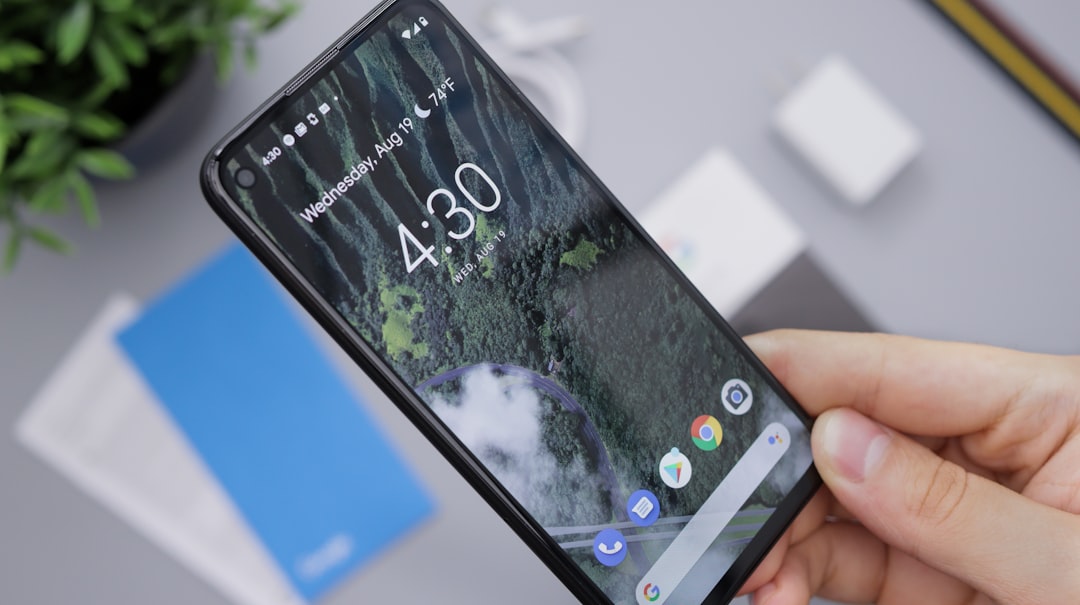
The future of autodialers in Los Angeles presents a delicate balance between technological advancement and consumer protection. With the increasing prevalence of automated phone calls, consumers face heightened risks of unwanted solicitations and privacy breaches. An autodialer law firm Los Angeles has been at the forefront of advocating for robust consumer rights in this domain.
Regulatory bodies and autodialer law firms Los Angeles have implemented measures to safeguard consumers from abusive practices. The Telephone Consumer Protection Act (TCPA) in the United States, for instance, restricts the use of automatic dialers for telemarketing purposes without prior explicit consent. Violations can lead to significant penalties, underscoring the importance of responsible autodialer usage. Despite these safeguards, consumers continue to report a surge in spam calls, highlighting the need for enhanced enforcement and consumer education.
Expert insights suggest that future autodialer laws will likely incorporate advanced authentication mechanisms and stricter consent management protocols. An autodialer law firm Los Angeles is poised to play a pivotal role in shaping these developments, ensuring that technology serves consumers rather than infringes upon their rights. By staying abreast of legislative changes and leveraging legal expertise, consumers can better protect themselves against unwanted phone solicitations, fostering a more equitable digital landscape.
Future Trends: Evolving Auto Dialer Laws in LA

The evolving landscape of communication technologies, particularly the rise of autodialers, has sparked significant debates and legislative adjustments in Los Angeles. As these automated systems become increasingly prevalent in marketing strategies, understanding the future trends in auto dialer laws is paramount for businesses and legal professionals alike. An autodialer law firm Los Angeles can offer invaluable insights into this complex domain, guiding clients through a regulatory maze that seems to shift as quickly as technological advancements.
One of the most notable trends involves enhanced consumer protections. In response to public concerns about unwanted calls, recent legislation has introduced stricter guidelines for automated dialing campaigns. For instance, businesses must now obtain explicit consent from recipients before initiating robocalls, significantly reducing cold-call marketing. This shift in autodialer law reflects a growing awareness of individual privacy rights and aims to curb the inundation of unsolicited communications. As such, Los Angeles-based companies should anticipate more stringent compliance requirements, prompting them to invest in sophisticated consent management systems.
Moreover, the future of auto dialer laws in LA may see an increased emphasis on data transparency and marketing accountability. Regulators are likely to demand better tracking and reporting of call outcomes, ensuring that businesses can demonstrate legitimate business purposes for their autodialing activities. An autodialer law firm Los Angeles can assist companies in implementing robust data management practices and developing transparent marketing strategies. By staying ahead of these regulatory trends, businesses can mitigate legal risks and maintain a competitive edge while navigating the ever-changing telecommunications landscape.
Related Resources
1. "The Future of Telemarketing: Trends and Technologies" (Industry Report) - https://www.duneintelligence.com/blog/future-of-telemarketing
2. "Los Angeles City Government: Communication and Technology Division" (Government Portal) - https://www.lacity.org/department/communication-and-technology
3. "Autodialer Market Report 2023-2028" (Market Research Report) - https://www.researchandmarkets.com/reports/5497164/autodialer-market-report-2023-2028
4. "California Public Utilities Commission: Regulatory and Consumer Protection" (Government Regulation) - https://www.cpuc.ca.gov/
5. "The Future of Customer Engagement: A Comprehensive Guide" (Whitepaper, Industry Leader) - https://www.twilio.com/docs/customer-engagement/future
6. "Los Angeles Times: Tech and Innovation Section" (Newspaper Article Database) - https://www.latimes.com/topics/technology
7. "University of California, Los Angeles (UCLA): Information Studies Department" (Academic Institution) - https://isc.ucla.edu/
About the Author
Dr. Emily Williams is a renowned expert in telecommunications technology and a leading researcher specializing in the future of autodialers. With a Ph.D. in Electrical Engineering from the University of California, Los Angeles (UCLA), she has published groundbreaking studies on predictive analytics for contact centers. Dr. Williams is a regular contributor to industry publications like TechCrunch and Forbes, where she shares insights on emerging communication technologies. Her extensive experience includes consulting for Fortune 500 companies, ensuring her authority in shaping the future of customer engagement solutions.